Because without you it wouldn’t be possible
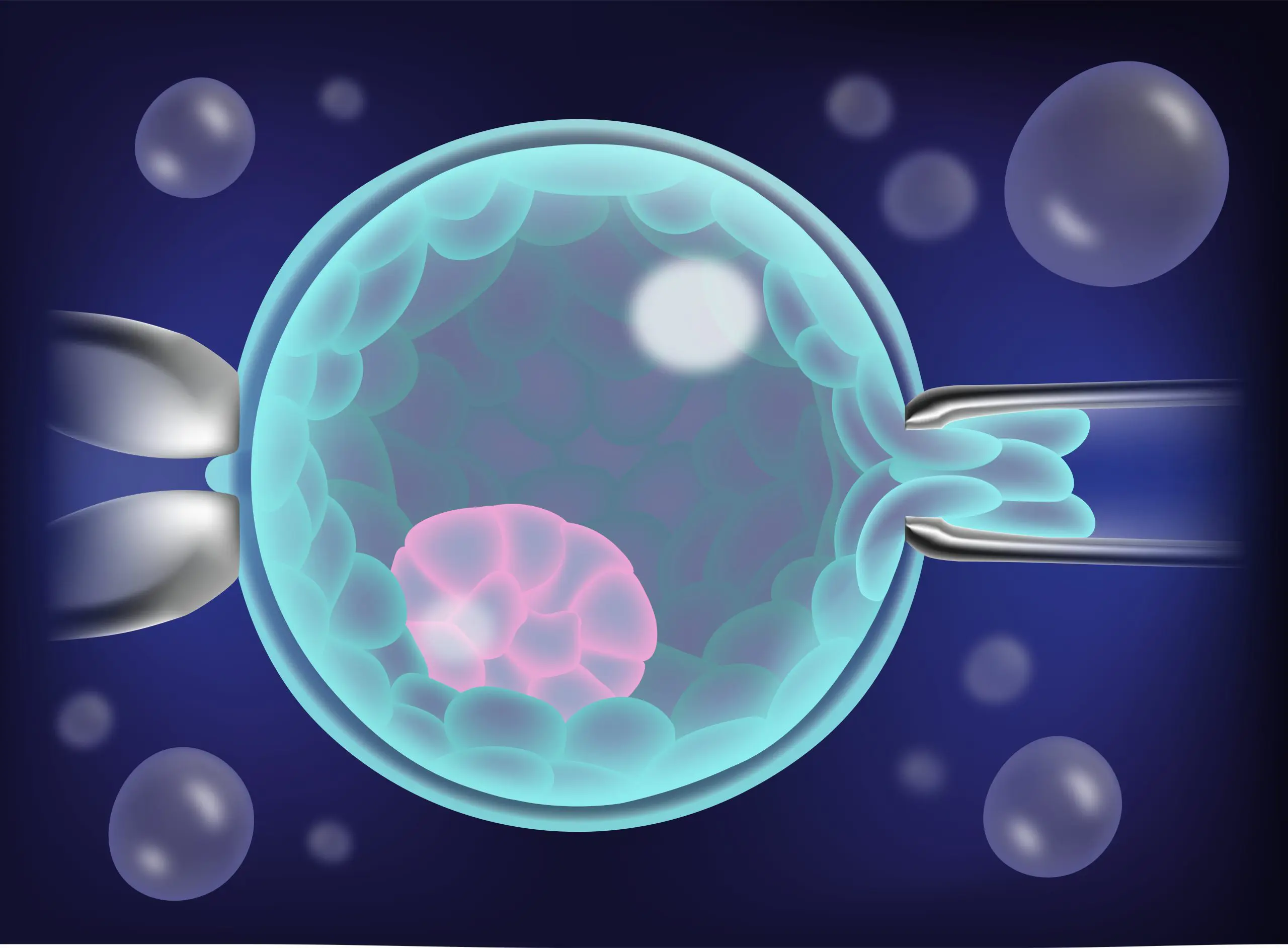
Egg donation is the process of one woman (the donor) giving her eggs to another (the recipient), anonymously, so the recipient can achieve a pregnancy. It’s an act of generosity, voluntary and altruistic, that helps women who can’t become mothers for a range of reasons (age, genetic conditions, cancer…).
Find out more on our dedicated website www.donarovulosmadrid.info (in Spanish)
Before donating eggs
A series of tests will be needed to make sure the requirements for egg donation are met, which briefly consist of:
1. At a first interview at our clinic, we explain the whole process in detail. 2. Psychological consultation, ultrasound and blood tests. These are usually done over 2 visits to the clinic. 3. Test results are ready within a month. From that point, you’re ready to donate.
We’ll start treatment whenever suits you and freeze the eggs. The treatment takes around 12 days.
What the egg donation treatment involves

1. Ovarian stimulation: treatment begins on day 3 of the cycle, with an injectable medication given at the clinic that takes effect over 7 days. Five days after that injection, you’ll need to visit the clinic 2 or 3 times for ultrasounds and blood tests, where additional medication will be given subcutaneously if needed.
2. Egg retrieval: once the eggs are ready, they’re retrieved with a fine needle through the ovaries, under sedation, so the donor feels no discomfort. After one day of rest, the donor can go back to her normal routine.

What donors should know
- Egg donation is anonymous. The donor doesn’t know the recipient’s identity, and has no rights or obligations over any resulting children. The recipient couple likewise doesn’t know where the eggs came from.
- By law, donation must be altruistic, but it can’t cost the donor anything, so you’ll receive 1,200€ in compensation for the expenses and inconvenience involved.
- These treatments don’t affect the donor’s own fertility.
- Candidates to donate at URH must be between 18 and 30 years old. For more information, see our blog’s guide to the egg donation process (in Spanish).